Ghost Light: The Drive-In Marquees That Refused to Die and the Cult Faithful Who Found Them
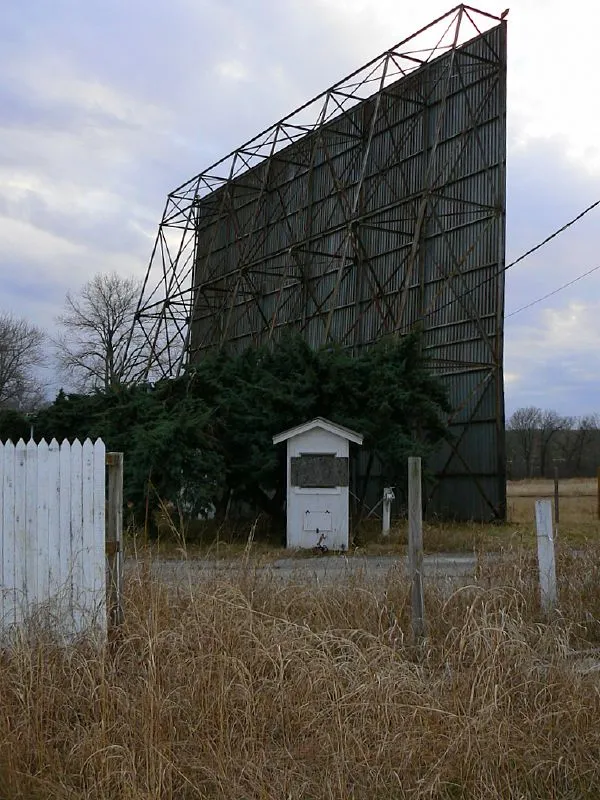
Photo: Thomas & Dianne Jones from Okmulgee, USA, CC BY 2.0, via Wikimedia Commons
Somewhere off a two-lane road in central Georgia, half-swallowed by kudzu, there's a marquee that still spells out a movie title nobody can quite make out anymore. The letters are warped. The neon tubes inside are long dead. But the bones of the thing — the sheet metal, the rusted frame, the ghost of whatever font a sign painter chose sometime around 1962 — are still standing. Barely. And people are driving hours just to photograph it.
This is the quiet pilgrimage happening all over the United States right now. Drive-in theaters peaked at around 4,000 screens in the late 1950s. Today, fewer than 300 remain operational. The rest? They became strip malls, flea markets, megachurches, or just vacant lots slowly returning to weeds. But the signs — those massive, roadside-carnival marquees — often outlasted everything else. And for a specific breed of cult cinema devotee, they've become something close to sacred.
Why the Signs Stayed When Everything Else Left
There's a practical reason these structures survived demolition: they're expensive to take down. A full drive-in marquee, especially one with original neon channel lettering, can weigh several tons. Landowners who couldn't be bothered to fund a proper teardown just... left them. Decades passed. Nature moved in. And the signs became accidental monuments.
But there's a cultural reason they matter, too. The marquee was the face of the drive-in — the thing you saw from the road, the thing that told you tonight was going to be something. Double features, horror marathons, spaghetti westerns under open sky. The marquee promised all of it. When the lot closed and the screen rotted away, the sign was often the last object still readable as cinema. Still pointing at something that used to be a gathering place.
For collectors and documentarians plugged into cult film culture, that's an almost unbearable kind of poetry.
The People Who Go Looking
Ask around in the right corners of the internet — certain subreddits, Facebook groups dedicated to roadside Americana, the comment sections of niche YouTube channels — and you'll find a loose network of people who treat drive-in ruins the way archaeologists treat dig sites.
Some are photographers chasing the aesthetic: the peeling paint, the rust streaks, the way late afternoon sun catches a dead neon tube and makes it look almost alive. Others are salvagers with more practical goals. Vintage neon signage has become genuinely valuable in the collector market, with original drive-in letters and marquee components fetching serious money at auction and through specialty dealers.
Then there's a third group that's harder to categorize — indie filmmakers and visual artists who use these locations as actual production sites. The abandoned drive-in as a filming location has become almost a genre unto itself in low-budget horror and experimental cinema. Something about the combination of decayed infrastructure and the lingering cultural memory of what the space used to be creates an atmosphere that's genuinely difficult to manufacture on a set.
"You can't build what time does to a place," one filmmaker who's shot two short films at shuttered Texas drive-ins put it in a recent forum thread. "The sign is still there, and it still means something. The audience carries that meaning in with them."
Neon as Mourning Object
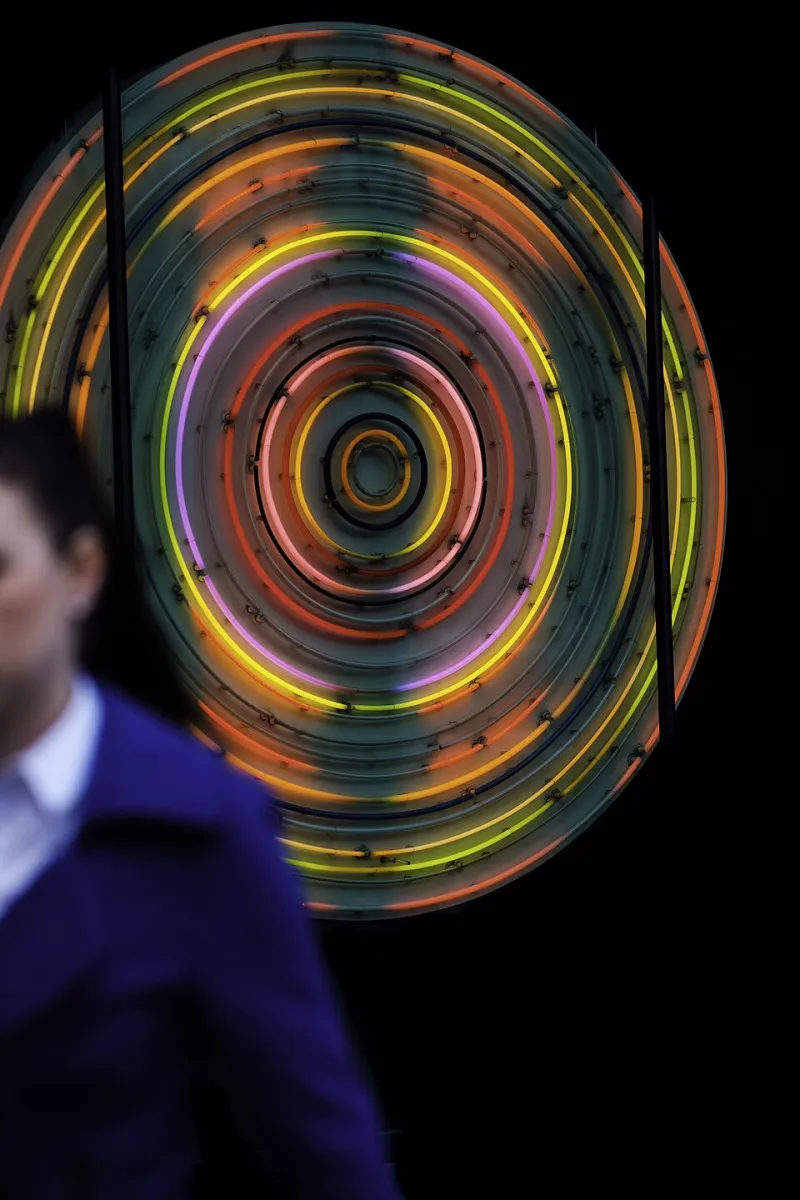
There's a specific grief attached to dead neon that doesn't apply to other types of signage. Neon is supposed to glow. It's inherently performative — a tube of gas that becomes light becomes color becomes feeling. A neon sign that's been dark for thirty years isn't just broken. It's interrupted. It feels like something mid-sentence.
Drive-in marquees built between the 1940s and 1970s leaned hard into neon because it was the visual language of excitement and spectacle. Reds and yellows and electric blues that could pull a driver's eye from a quarter mile away. The sign was doing the same job the movie inside was doing: promising you an escape from ordinary life for a few hours.
When those signs go dark permanently, something about the promise dies with them. That's not melodrama — it's just what objects carry when they're attached to communal experience. The regulars who watched Jaws or The Texas Chain Saw Massacre or Enter the Dragon from the back of a station wagon under that sign are now somewhere in their 60s and 70s, and the sign is rusting in a field. That's a real loss, and the people seeking out these sites seem to understand it instinctively.
Rescue Operations and the Ethics of Salvage
Not everyone agrees on what should happen to these structures. The preservation argument holds that marquees should be documented in place, stabilized if possible, and ideally protected as local historical landmarks. Several communities have successfully pursued this route — a handful of drive-in signs across the South and Midwest have been nominated for or received state historic preservation recognition.
The salvage argument is more complicated. When a sign is genuinely beyond saving in situ — when the land is about to be developed, or the structure is weeks from collapse — pulling it apart and getting the components to someone who can restore and display them starts to look like the responsible move. Vintage neon restoration artists have brought back drive-in signage that would otherwise be landfill, and the results are often stunning.
The tension between these two positions plays out constantly in the communities built around this stuff. There's no clean answer. A sign in a collector's garage is preserved but decontextualized. A sign left in a field is in context but deteriorating. Both outcomes feel like a kind of loss.
What the Ruins Are Actually Saying
Here's the thing about drive-in ruins that keeps pulling people back to them: they're not really about cinema in the technical sense. They're about a specific way of being together that doesn't exist anymore — one where you brought your own space (your car, your blanket, your cooler) into a shared space, and the movie was almost secondary to the ritual of showing up.
Streaming killed a lot of things, but it especially killed that. You can watch anything now, alone, in perfect picture quality, any time you want. What you can't do is drive to a field with a hundred other families and watch Creature from the Black Lagoon projected on a screen the size of a barn while the FM radio crackles through your speakers and somebody's kids are running around in the dark ahead of you.
The marquees that are still standing out there in the weeds — they're markers for that absence. That's why cult cinema people respond to them so viscerally. This community has always been drawn to things that got left behind, to the edges of culture where the weird and the genuine and the overlooked end up. A rusting drive-in sign fits that profile perfectly.
It promised something once. It still does, if you know how to read it.
Finding Them Before They're Gone
If you want to do your own reconnaissance, the resources are out there. The United Drive-In Theatre Owners Association maintains some historical records, and sites like the Drive-In Theater Database have mapped hundreds of former locations across the country. Social media has become an informal clearinghouse too — search the right hashtags and you'll find photographers who've already done the legwork in your region.
Some of what you'll find is genuinely breathtaking. Some of it is heartbreaking. Most of it is both at once.
Bring a camera. Respect the property. And if you find one that's still got its original neon intact, even dead, take a minute before you start shooting. That sign has been standing there a long time, holding its place in a story most people forgot. The least you can do is acknowledge it.