Tomorrow Was Always Neon: How Cult Cinema's Retro-Futurist Dreams Became Gen Z's Reality

Photo: PattayaPatrol, CC BY-SA 4.0, via Wikimedia Commons
There's a specific kind of future that never actually arrived — and yet somehow it's everywhere right now. You've seen it on Instagram. You've spotted it on the racks at thrift stores from Portland to Miami. It lives in the gradient wallpapers on MacBooks, in the chunky translucent plastic of phone cases, in the way certain coffee shops light their signs. It's the future that the 1980s and early 1990s promised and then quietly forgot to deliver. And if you want to understand where it really came from, you don't look at fashion runways or tech startups. You look at the films nobody was supposed to take seriously.
The Y2K revival didn't start on social media. It started in the imagination of low-budget filmmakers who genuinely believed the future was going to glow.
The B-Movie Architects of an Imaginary Tomorrow
Through the mid-80s and into the 90s, a loose network of cult directors — working with shoestring budgets, practical effects cobbled together from hardware store parts, and a near-religious devotion to neon tube lighting — built an extraordinarily consistent visual world. Films churned out for direct-to-video markets and regional drive-in circuits weren't trying to be prestige cinema. They were trying to be electric. The aesthetic that emerged from that hustle — holographic surfaces, cyan and magenta lighting rigs, analog displays ticking over in the dark, chrome catching light from every angle — wasn't accidental. It was a genuine artistic philosophy born from limitation and ambition colliding at high speed.
These filmmakers were romanticizing a future they were convinced was coming. Computers were going to be beautiful. Cities were going to pulse. Technology was going to wear its guts on the outside, visible and glowing. The fact that the actual digital revolution turned out to be mostly beige plastic and then eventually flat matte aluminum is, in retrospect, a genuine cultural tragedy that cult cinema sensed before it happened.
Why Neon Became the Language of Both Eras
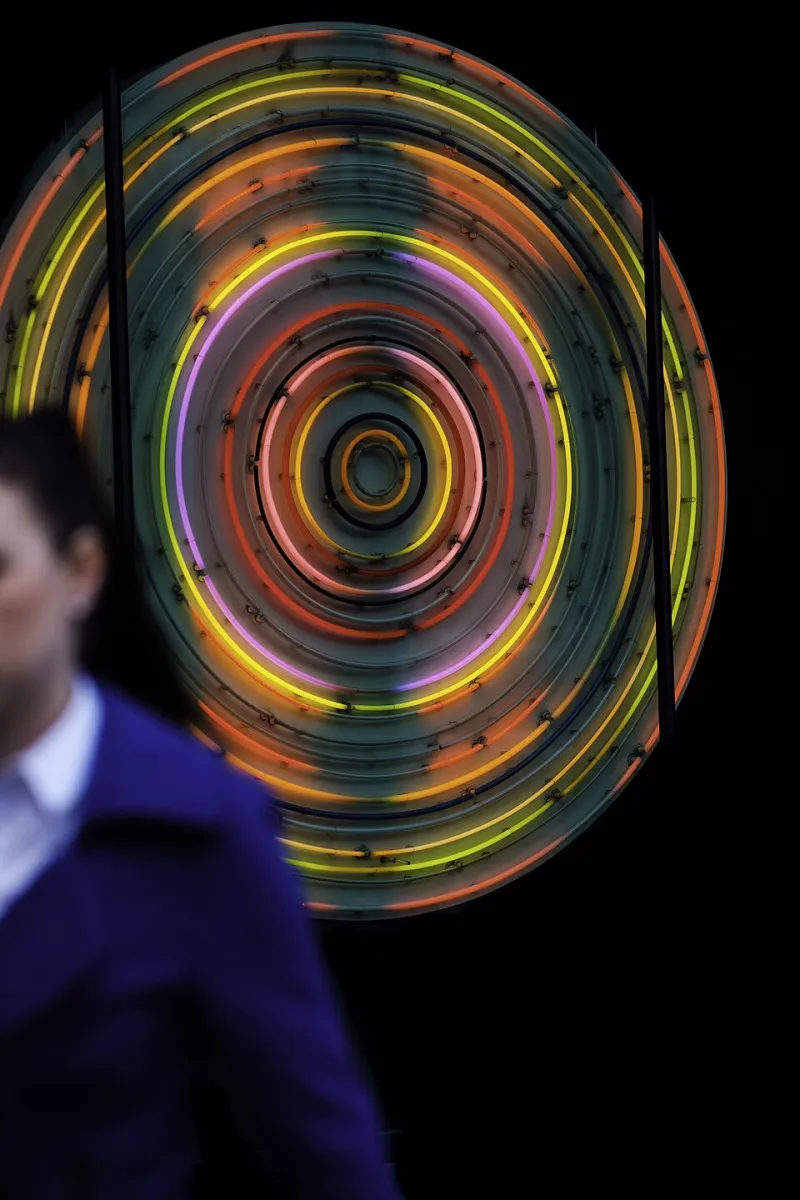
Neon is interesting because it's simultaneously a medium, a mood, and a message. Physically, neon lighting has properties that no digital effect has ever quite replicated — it blooms differently, it hums, it interacts with fog and rain in ways that feel almost biological. Cult cinematographers understood this intuitively. A neon sign reflected in a rain-slicked alley didn't just look cool; it meant something. It meant the future was alive, warm, and slightly dangerous.
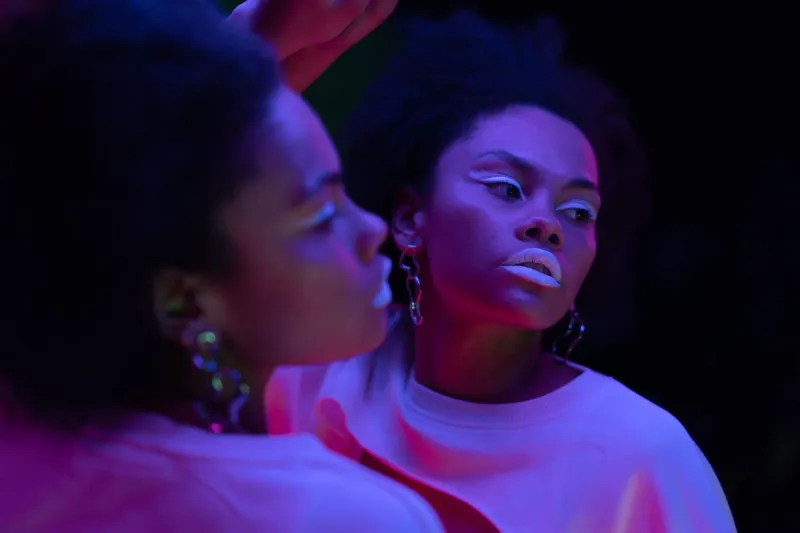
What's fascinating about the Y2K revival is that Gen Z isn't just borrowing the look — they're chasing that same feeling. The neon aesthetic carries an emotional charge that clean minimalism never could. It suggests a world where the seams show, where technology has texture, where the future isn't inevitable but handmade. That's a radical idea in the age of algorithmic smoothness, and it's exactly the counterculture energy that cult cinema was always trafficking in.
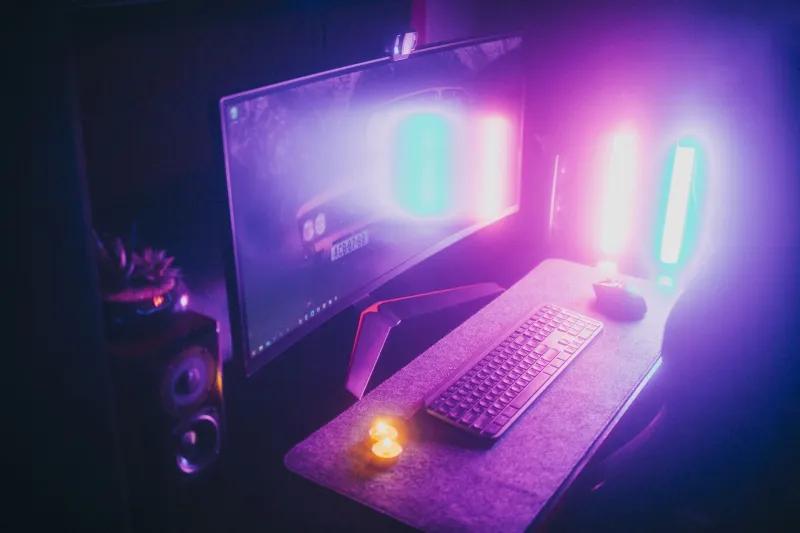
When a 22-year-old in Chicago puts a neon sign in their apartment and shoots it on a vintage-style filter, they're not just doing interior design. They're participating in a visual tradition that stretches back to midnight screenings in 1987. They just don't know the films yet.
The Feedback Loop Nobody Planned
Here's where it gets genuinely strange. Cult films imagined a future. That future didn't arrive in the expected form. Then, roughly thirty years later, a generation that grew up after the millennium decided to build the imagined version anyway — not because they saw those films, but because the aesthetic had seeped into the cultural water table through a thousand downstream channels: video game design, early internet graphics, toy packaging, and the general visual noise of the late 90s that Gen Z absorbed as children.
And now, as the Y2K revival drives young people back toward the source material — toward actual cult films from that era, toward VHS hunting and boutique Blu-ray releases and late-night YouTube rabbit holes — the feedback loop closes. The films that invented the aesthetic are finally finding the audience that was always meant to receive them. It's a reunion across three decades, and it's happening in real time.
Films that barely registered on release are suddenly cultural reference points. Directors who spent their careers outside the Hollywood system are being rediscovered as visionaries. The underground is, slowly and gloriously, becoming the mainstream — or at least the mainstream's most interesting shadow.
What the Cult Filmmakers Got Right (That Silicon Valley Got Wrong)
There's a quiet irony running through all of this. The actual technology industry, when it finally arrived in force, made a deliberate aesthetic choice to go invisible — to make devices and interfaces as frictionless and neutral as possible. Apple's entire visual philosophy from the mid-2000s onward was essentially the opposite of neon: clean, white, seamless, cold. The future was supposed to disappear into your life without announcing itself.
Cult cinema had a completely different theory. The future should announce itself. It should be loud and colorful and a little overwhelming. It should make you feel something. And that instinct, dismissed for decades as cheap or garish, turns out to have been the more human one. The Y2K revival is, at its core, a rejection of tech minimalism. Young people are choosing the version of the future that feels alive over the version that feels efficient.
Those B-movie directors working in warehouses and on desert locations with rented lighting rigs — they understood something about desire that billion-dollar companies missed entirely.
Finding the Source Material
For anyone who wants to actually trace this lineage, the good news is that the source material is more accessible than it's ever been. Boutique labels have been quietly restoring and releasing the key texts of this era. VHS hunters at flea markets and estate sales are surfacing titles that haven't been seen in years. Online communities dedicated to cult cinema are building detailed archives and recommendation chains that would have been unthinkable a decade ago.
If the Y2K aesthetic is the thing that got you here, the films are the reward waiting on the other side. Watch them with the lights off and the volume up, and you'll understand immediately why neon wasn't just a design choice. It was a belief system — a stubborn, beautiful insistence that the future deserved to be felt, not just used.
The cult filmmakers were right. It just took the rest of the world thirty years to catch up.
The Glow Doesn't Fade
What makes this moment genuinely exciting for anyone who's been watching cult cinema from the margins is that the conversation is finally happening at scale. The aesthetic bridge between underground filmmaking and contemporary youth culture isn't invisible anymore. It's neon-lit and impossible to ignore.
Tomorrow was always going to look like this. A few hundred underfunded directors in the 80s and 90s knew it. Gen Z is proving them right, one glowing sign at a time.