Darkness Was Always the Point: How Cult Cinema Made Night the Only Place Worth Living

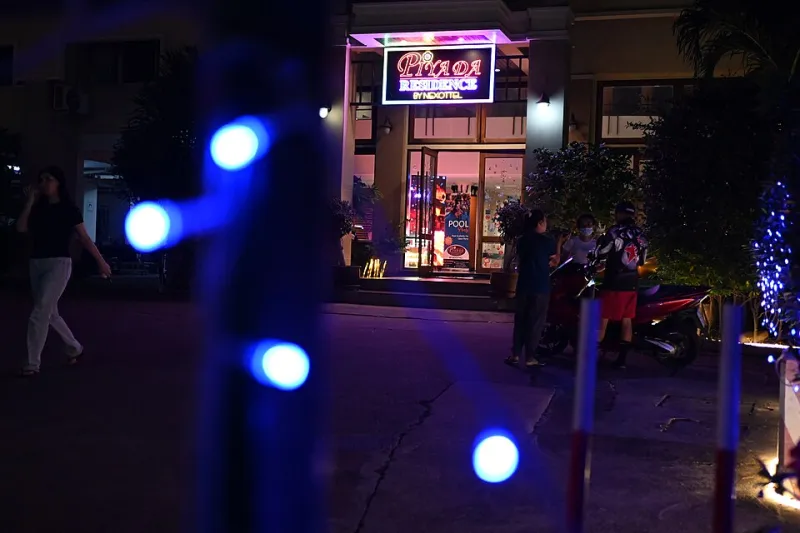
Photo: Basile Morin, CC BY-SA 4.0, via Wikimedia Commons
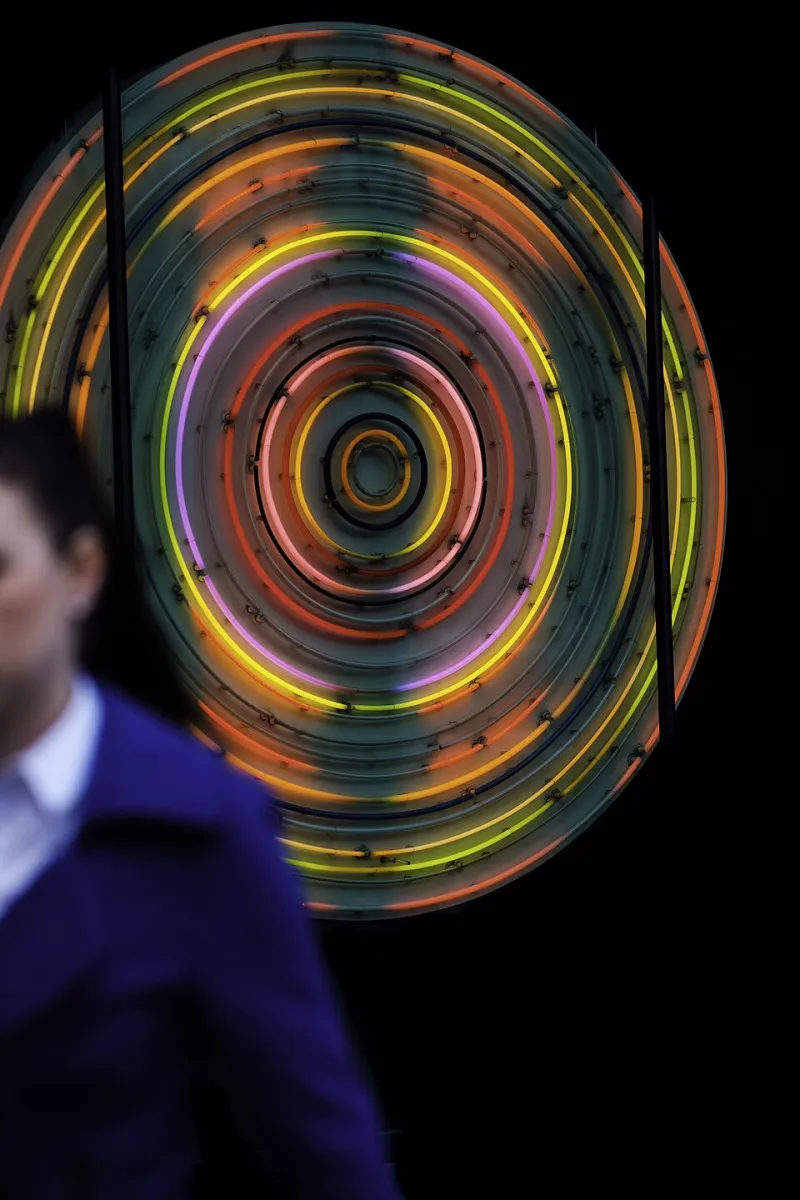
There's a moment in a thousand forgotten cult films where the camera tilts up from wet asphalt to a buzzing neon sign, and something in your chest just settles. Not dread. Not unease. Something closer to recognition. Like arriving somewhere you didn't know you'd been missing.
Cult cinema figured that out decades before anyone was running A/B tests on scroll behavior or mining data about when Gen Z feels most emotionally open. The directors working the margins — the ones shooting on expired stock in cities that didn't care they were there — understood something almost instinctively: nighttime wasn't the backdrop. It was the story.
The Noir Foundation Nobody Wanted to Credit
You have to go back to the B-movie noir cycle of the late 40s and 50s to find where this obsession really gets its roots. These weren't prestige pictures. They were fast, cheap, and shot on city streets because renting a studio was out of the question. But that constraint became a signature. Pools of streetlight. Steam rising from grates. Faces half-swallowed by shadow.
The cinematographers doing this work weren't just cutting corners — they were building a visual grammar that said: the real world lives in the dark hours. Daytime belonged to the official version of things, to the story that respectable society wanted to tell about itself. Night was where what was actually true got to breathe.
Cult audiences responded to that. The films that got passed around, talked about, screened at midnight shows in crumbling theaters — they almost universally treated darkness as a kind of sanctuary. A space where the outsider, the rebel, the person who didn't fit the daylight version of American life could finally exist without apology.
When Synth-Noir Turned It Into a Religion
If the noir B-movies planted the seed, the synth-soaked films of the 1980s grew it into something almost devotional. Movies shot through with cold blue light and pulsing electronic scores didn't just use the night — they worshipped it. The city after dark became its own character: indifferent, electric, alive in a way it never managed between nine and five.
Think about how many of those films open with a drive through a nighttime city. The skyline, the headlights, the way neon bleeds across rain-slicked streets. It wasn't random. Directors were making an argument. They were saying: this is when the world makes sense. The characters who inhabited those films — the loners, the mercenaries, the people running from something or toward something they couldn't name — they belonged to the night in a way that felt earned rather than edgy.
That aesthetic got absorbed into VHS culture and then into the bloodstream of everyone who grew up watching those tapes. The visual logic of synth-noir became a kind of inherited memory, even for people who'd never consciously sought it out.
Low Light as a Creative Statement
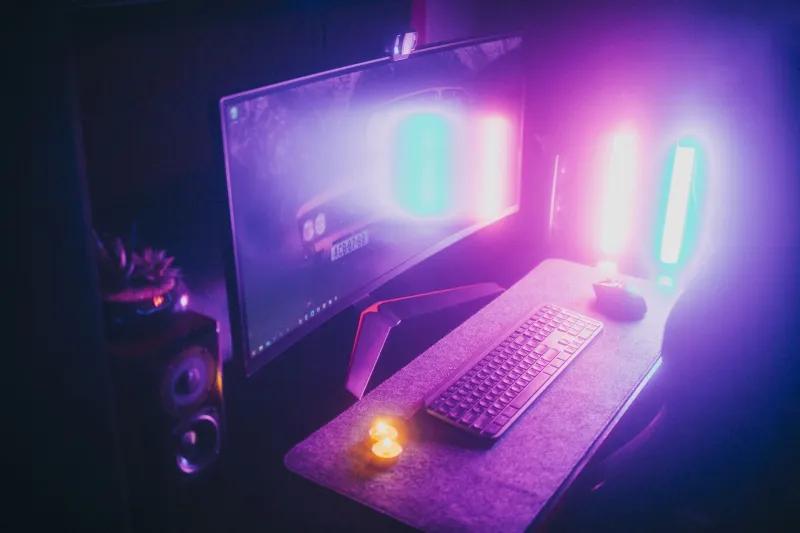
Here's where it gets interesting for where we are right now. The kids making content at 1 a.m. with a ring light cranked down low, the TikTok creators who film everything in near-darkness with a single lamp in the corner, the Spotify playlist curators who build entire moods around the idea of driving at night with nowhere to be — they're not doing something new. They're continuing a conversation that cult cinema started.
Dark mode isn't just easier on the eyes. It's a philosophical stance. It says: the bright, loud, optimized version of everything isn't where I live. The polished daylight aesthetic of corporate social media, the high-key lighting of mainstream content — that stuff reads as the official story. The one that's been approved and sanitized.
Night content, low-light content, the whole nocturnal creative ecosystem that's exploded across every platform — it carries the same implicit message that those cult films were delivering from cramped editing suites in the 70s and 80s. The real version of things happens after dark.
Streaming After Sunset Isn't Accidental
Platforms know this, even if they don't frame it in terms of cult cinema lineage. The data on streaming behavior has always shown a massive spike in engagement during late-night hours, and the content that performs in those windows tends to share certain qualities: moodier pacing, darker visual palettes, subject matter that feels too raw or strange for prime time.
That's not a coincidence — it's a cultural inheritance. The midnight movie tradition that cult cinema practically invented trained generations of viewers to associate darkness with the content that was actually worth their time. The weird stuff. The honest stuff. The films that didn't bother softening their edges for a mainstream audience.
When a 22-year-old in Columbus or Portland or Austin opens their laptop at midnight and queues up something strange and neon-lit, they're participating in a ritual that goes back further than they probably realize. The setting isn't incidental. The hour is part of the experience.
Why Darkness Feels Like Home
Cult cinema's greatest long-term achievement might not be any specific film or director or visual technique. It might be this: it made darkness feel safe. Not threatening, not transgressive for the sake of it — just home. A space where things could be complicated and unresolved and true without needing to be wrapped up in daylight logic.
That's a genuinely radical gift, and it's one that keeps paying forward in ways that are easy to miss if you're not looking for the lineage. Every aesthetic that leans into the nocturnal, every creative community that thrives after midnight, every platform feature designed for people who do their best living when the sun is down — all of it carries traces of those cheap, brilliant films that decided the night was the only honest hour.
The neon never really went dark. It just kept buzzing, waiting for the next generation to walk under it and feel that same settling in the chest. That same sense of arriving somewhere that was already theirs.